Giving Your Old Pots and Pans a Second Life Through Recycling: A Comprehensive Guide
Did you know that millions of pots and pans end up in landfills every year? As more people look for sustainable solutions in their kitchens, understanding how to recycle cookware is becoming increasingly important. Whether you're ready to upgrade your kitchenware or you've found that your favorite skillet has reached the end of its life, you can give your old pots and pans a second life through recycling. In this complete guide, discover how you can responsibly dispose of cookware, creative ideas to upcycle them, and why eco-friendly cookware choices matter in the long run.
Why Should You Recycle Old Pots and Pans?
Every worn-out saucepan or battered frying pan has the potential to live on in a new form. Far too often, old cookware is tossed in the trash and ends up taking up valuable space in landfills. Here are several compelling reasons to recycle your old kitchen utensils instead:
- Environmental Protection: Reducing landfill waste can significantly lower harmful pollution and greenhouse gas emissions.
- Resource Conservation: Recycling metals in pots and pans saves energy, water, and raw materials.
- Economic Benefits: Recyclable metals such as aluminum and stainless steel are valuable resources for various industries.
- Community Support: Donating usable items can support local families and charities.
Giving old cookware a second life through recycling not only benefits your home and community but also contributes to a healthier planet.

What Materials Are Your Pots and Pans Made From?
Before you start looking for how to recycle cookware, it's crucial to know what material your items are made of. Most pots and pans are constructed from these common materials:
- Stainless Steel
- Aluminum
- Copper
- Cast Iron
- Non-Stick (Teflon) Coated
- Enamel-Coated
- Ceramic
Each type of cookware requires a different recycling approach. Understanding the material helps you identify which facilities or upcycling methods are suitable for your situation.
How to Identify Your Cookware's Material
- Check for Labels: Many pans have a stamp or mark on the bottom indicating the material or brand.
- Magnet Test: Stainless steel often responds to a magnet, while aluminum and copper do not.
- Weight and Color: Cast iron is heavy and dark, while aluminum is lightweight and copper has a reddish hue.
How to Recycle Old Pots and Pans Properly
When it's time to part with your kitchenware, don't just toss it in the trash! Recycling used cookware can be simple when you know the right steps to follow. Here's how:
1. Contact Your Local Recycling Center
- Check Accepted Items: Not all curbside recycling programs accept cookware, due to size or special coatings.
- Drop-off Location: Find a local recycling center with facilities for scrap metal and kitchen goods.
Many centers gladly accept metal pans, iron skillets, aluminum cookware, and stainless steel pots. Sometimes you might need to remove non-metal parts like plastic handles and glass lids.
2. Remove Non-Metal Components
- Unscrew Handles & Lids: Most recycling plants only accept pure metals.
- Remove Non-Stick Coating if Requested: Some places may ask you to strip Teflon or enamel from pans before recycling.
3. Scrap Metal Yards
- Get Paid for Metal: If your cookware is metal, many scrap yards will pay you based on weight and material.
- Accepted Materials: Stainless steel, aluminum, copper, and cast iron are usually accepted.
*Pro Tip*: Call ahead to your local scrap metal recycler and ask about the specific types of cookware they accept.
4. Donate Usable Cookware
- Charity Shops and Thrift Stores: If the cookware is still usable, donate it!
- Shelters and Community Centers: Many organizations welcome donations of lightly used kitchen items.
5. Manufacturer Take-Back Programs
- Check Brand Initiatives: Some cookware brands offer return-and-recycle programs.
- Send Back for Responsible Disposal: Brands manage safe disposal and recycling of their products.
Can Non-Stick Pans Be Recycled?
Non-stick and Teflon-coated pans require special handling because many facilities will not accept coated cookware in standard metal recycling. Here's what you can do:
- Contact the Manufacturer: Some offer take-back programs specifically for non-stick cookware.
- Ask Your Recycling Center: Inquire if they have methods to handle the non-stick coating safely.
- Repurpose or Upcycle: Get creative and give old non-stick pans a new function rather than sending them to the dump.
Creative Ways to Upcycle Old Pots and Pans
Recycling isn't just about sending your goods away--sometimes, the most sustainable choice is to find a new use at home. Here are some inventive ideas to inspire you:
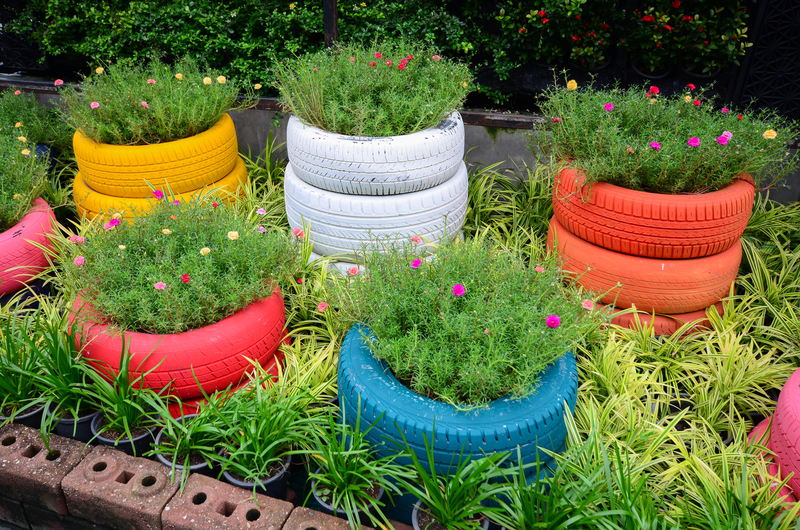
1. Planters and Garden Ornaments
- Herb Gardens: Old saucepans or colanders make perfect planters for herbs and succulents.
- Decorative Features: Hang colorful pans outside for a rustic garden display.
2. Storage Solutions
- Drawer Organizers: Use shallow pans to separate utensils or office supplies.
- Wall Hangers: Mount skillets or saucepans to hold keys, aprons, or even mail by the front door.
3. Art and Craft Projects
- Wall Clocks: Turn a frying pan into a funky kitchen clock.
- Photo Frames: Use the base of a mini pan as a frame for a quirky decoration.
4. Bird Feeders and Baths
- Convert deep pots into unique birdbaths or bird feeders for your outdoor space.
5. Children's Play Kitchens
- Old pans make perfect additions to a kids' play kitchen or mud pie station.
*With just a little imagination, you can give your old kitchenware a second act in your home or garden!*
The Environmental Impact: Why It Matters to Give Cookware a Second Life
Every piece of cookware kept out of a landfill is a win for the environment. Here's why recycling and upcycling your old pots and pans creates a significant positive impact:
- Reduces Resource Extraction: Using recycled metals means less mining and lower disruption to ecosystems.
- Decreases Waste: Metal and ceramic kitchenware can take generations to decompose in a landfill.
- Conserves Energy: Recycling aluminum, for example, uses up to 95% less energy than producing it from raw ore.
- Supports Circular Economy: Keeps valuable materials in use, reducing the demand for new resources.
Giving cookware a second life is a powerful step toward lowering your household's environmental footprint.
Tips for Buying Sustainable and Recyclable Cookware
When shopping for new pots and pans, consider products that are easy to recycle and made with eco-friendly processes. Here's what to look for:
- Choose Recyclable Materials: Stainless steel, cast iron, copper, and uncoated aluminum are among the easiest to recycle.
- Avoid Plastic and Non-Stick Coatings: These complicate the recycling process.
- Look for Recycled Content: Some cookware brands use recycled metals in their products.
- Check for Take-Back Programs: Brands committed to sustainability often offer to recycle used goods at end-of-life.
*By making smart choices now, you prepare for a smoother, greener recycling process down the road!*
FAQs About Recycling Pots and Pans
Can I put old pans in my curbside recycling bin?
Usually not. Most curbside recycling only accepts household items like cans and bottles. Take cookware to a local scrapyard or designated recycling center for proper processing.
Can glass lids be recycled with cookware?
No, glass lids should be separated and recycled with glass collections if local programs accept them, or repurposed in crafts or the garden.
Are rusty pots and pans recyclable?
Yes! Rusty metal is still recyclable as scrap metal. Just be sure to remove any loose plastic or rubber parts first.
Is there any cookware that can't be recycled?
Enamel-coated and non-stick pans are trickier to recycle because of their coatings, but you can still check with specialized facilities or look for creative ways to reuse them.
Conclusion: Make Sustainable Choices By Giving Pots and Pans a Second Life
*Upgrading your kitchen doesn't have to mean sending old cookware to the landfill.* By making the effort to recycle, repurpose, or donate old pots and pans, you help conserve resources, reduce waste, and promote a healthier planet.
Next time you're ready to retire a trusty pan, remember this guide and choose a sustainable path forward. Every small action counts toward a cleaner, greener future!