Effective Construction Waste Disposal in Brent Cross
Introduction to Construction Waste Disposal
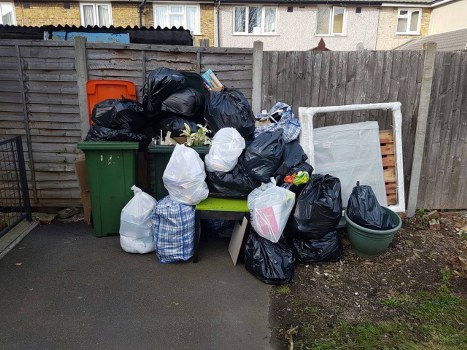
Construction projects generate a significant amount of waste, which poses environmental and logistical challenges. Proper disposal of construction waste in Brent Cross is crucial to ensure sustainability and compliance with local regulations. Understanding the methods and best practices for waste management can lead to more efficient and eco-friendly construction processes.
In Brent Cross, the rapid development and urbanization have heightened the need for effective construction waste disposal solutions. Contractors, builders, and residents alike must prioritize responsible waste management to maintain the area's aesthetic and environmental integrity.
Implementing efficient waste disposal strategies not only minimizes environmental impact but also enhances project efficiency and reduces costs. This article delves into the various aspects of construction waste disposal in Brent Cross, offering insights and practical tips for all stakeholders involved.

Types of Construction Waste
Common Materials
Construction waste encompasses a broad range of materials. The most common types include:
- Concrete and masonry debris
- Wood and wood products
- Metals such as steel and aluminum
- Plastics and composites
- Glass and ceramics
- Insulation materials
Each material requires specific disposal methods to ensure proper handling and recycling. Understanding the characteristics of these materials is essential for effective waste management.
Segregating waste at the source can greatly enhance recycling efforts and reduce the overall volume of waste that needs to be transported and processed.
Regulations and Compliance
Local Regulations in Brent Cross
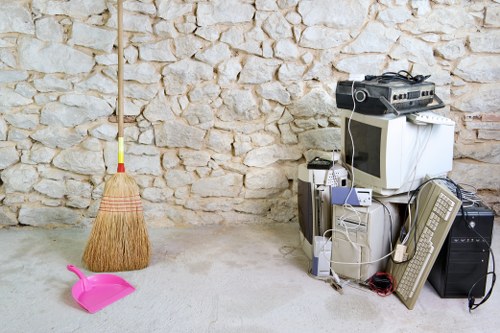
Brent Cross follows specific regulations regarding construction waste disposal, aligning with broader UK waste management laws. Compliance is mandatory for all construction activities to prevent legal repercussions and promote environmental protection.
The Environment Agency oversees waste management protocols, ensuring that construction waste is disposed of responsibly. Key compliance points include:
- Proper categorization and segregation of waste
- Use of licensed waste carriers
- Adherence to disposal timelines
- Accurate documentation and reporting
Non-compliance can result in hefty fines and project delays, making it imperative for construction firms to stay informed and adhere to all regulations.
Maintaining compliance not only avoids legal issues but also contributes to a positive reputation within the community and industry.
Waste Disposal Methods
Recycling and Reuse
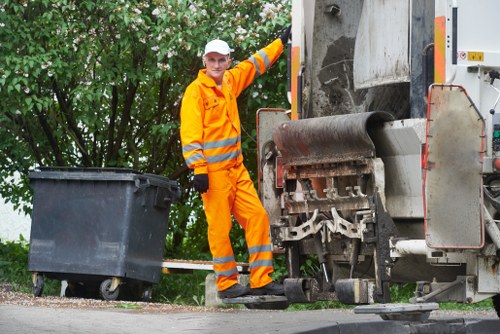
Recycling is a cornerstone of sustainable construction waste disposal. Materials such as concrete, metals, and wood can often be recycled and repurposed, reducing the need for new raw materials and minimizing landfill usage.
Several recycling facilities in Brent Cross are equipped to handle different types of construction waste, providing efficient channels for waste disposition. Reusing materials on-site or donating them to other projects can further enhance sustainability efforts.
Implementing a comprehensive recycling plan can lead to significant cost savings and environmental benefits, making it a preferred method for many construction projects.
- Concrete recycling
- Metal recovery
- Wood salvaging
Landfilling
Despite the emphasis on recycling, landfilling remains a necessary disposal method for non-recyclable or hazardous materials. Proper landfill management ensures that waste is contained and does not adversely affect the surrounding environment.
Choosing a reputable landfill site in Brent Cross that complies with environmental standards is crucial for minimizing ecological impact.
Incineration
Incineration involves burning waste at high temperatures, reducing it to ash and gases. This method is suitable for certain types of waste but must be managed carefully to control emissions and prevent environmental harm.

Best Practices for Construction Waste Disposal
Planning and Management
Effective waste disposal begins with thorough planning. Identifying potential waste streams and establishing clear protocols can streamline the disposal process and enhance efficiency.
Key steps include:
- Conducting a waste assessment
- Developing a waste management plan
- Training staff on proper waste handling
- Implementing regular monitoring and reporting
Good waste management practices not only comply with regulations but also foster a culture of sustainability within the construction team.
Segregation at Source
Separating different types of waste at the source simplifies recycling and reduces contamination. Clearly labeled bins and dedicated storage areas can facilitate effective segregation.
Encouraging all team members to adhere to segregation protocols ensures that waste is handled appropriately throughout the project lifecycle.
Partnering with Waste Disposal Services
Collaborating with reliable waste disposal services in Brent Cross can enhance waste management efforts. These services provide expertise, resources, and logistical support to ensure that waste is disposed of efficiently and compliantly.
Innovative Solutions in Brent Cross
Brent Cross is embracing innovative waste disposal solutions to address the growing demands of construction projects. Technologies such as automated sorting systems and advanced recycling techniques are being implemented to improve efficiency and reduce environmental impact.
Smart waste management systems leverage data and analytics to optimize waste collection schedules, track disposal metrics, and enhance overall waste handling processes.
Adopting these innovative approaches positions Brent Cross as a leader in sustainable construction practices.
- Automated sorting systems
- Advanced recycling technologies
- Data-driven waste management
Community Engagement
Engaging the local community in waste disposal initiatives fosters a collective responsibility towards sustainability. Educational programs, workshops, and collaborative projects can raise awareness and encourage active participation in waste management efforts.
Community involvement ensures that waste disposal practices extend beyond construction sites, contributing to the overall cleanliness and environmental health of Brent Cross.
Green Building Certifications
Achieving green building certifications, such as LEED, requires adherence to stringent waste management standards. These certifications recognize construction projects that prioritize sustainability and responsible waste disposal, enhancing their market value and reputation.
Challenges in Construction Waste Disposal
Logistical Constraints
Managing the logistics of waste disposal can be challenging, especially in densely populated areas like Brent Cross. Limited space for waste storage, transportation hurdles, and coordination among multiple stakeholders can impede efficient waste handling.
Addressing these constraints requires strategic planning, effective communication, and the utilization of appropriate technology to streamline waste disposal processes.
Cost Implications
While sustainable waste disposal methods offer long-term benefits, the initial costs can be a barrier for some projects. Balancing budget constraints with environmental responsibilities necessitates careful financial planning and exploring cost-effective waste management solutions.
Regulatory Compliance
Navigating the complex web of waste disposal regulations can be daunting. Keeping abreast of legislative changes and ensuring ongoing compliance requires dedicated resources and expertise.
Future of Construction Waste Disposal in Brent Cross
The future of construction waste disposal in Brent Cross is poised for significant advancements. Emerging technologies, stricter regulations, and an increasing emphasis on sustainability are driving transformative changes in how waste is managed.
Innovations such as circular economy models, where waste is continuously repurposed, and the integration of smart technologies for real-time waste tracking are set to revolutionize the industry.
Moreover, fostering a culture of environmental responsibility among all stakeholders will be pivotal in shaping a sustainable future for construction waste management in Brent Cross.
Embracing Circular Economy
The circular economy framework promotes the reuse and recycling of materials, reducing the need for new resources and minimizing waste. Implementing circular economy principles in construction projects ensures that materials are kept in use for as long as possible, enhancing sustainability.
- Material reuse programs
- Recycling incentives
- Design for disassembly
Technological Integration
Incorporating advanced technologies such as IoT devices and AI-driven analytics can optimize waste management processes. These technologies provide valuable data insights, enabling more efficient waste collection, sorting, and recycling operations.
Policy and Incentives
Government policies and incentives play a crucial role in promoting sustainable waste disposal practices. Supportive legislation and financial incentives can encourage construction firms to adopt eco-friendly waste management solutions.
Conclusion
Effective construction waste disposal in Brent Cross is essential for fostering a sustainable and environmentally responsible community. By implementing best practices, adhering to regulations, and embracing innovative solutions, construction projects can minimize their ecological footprint and contribute to the area's long-term prosperity.
Stakeholders must prioritize strategic waste management to overcome challenges and capitalize on opportunities presented by advancements in waste disposal technologies and methodologies.
For all your construction waste disposal needs in Brent Cross, contact us today to ensure your project aligns with sustainable and compliant waste management practices.